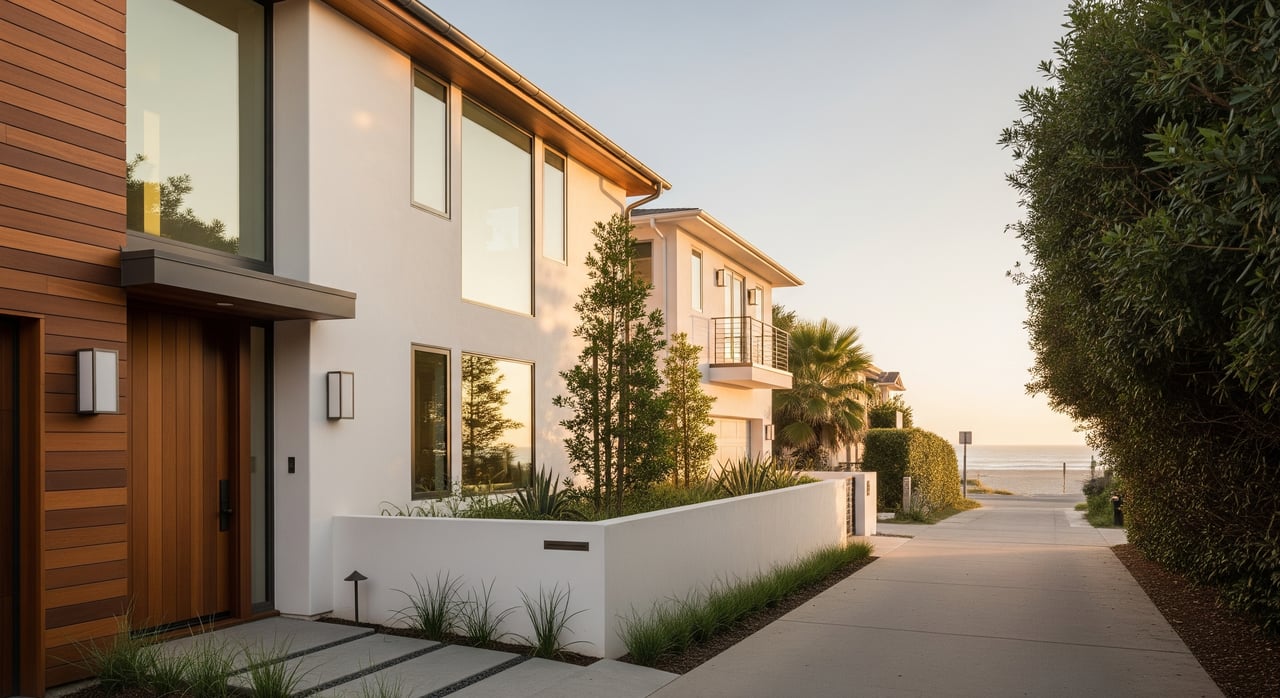
Imagine stepping out your front door, strolling to Abbot Kinney for coffee, then catching sunset on the sand minutes later. If you are drawn to a pedestrian lifestyle and coastal energy, the Venice Walk Streets might be your sweet spot. In this guide, you will learn what daily life feels like, how parking really works, what the homes are like, and what to check before you buy. Let’s dive in.
What the Walk Streets are
The Venice Walk Streets are a network of narrow, pedestrian-oriented residential lanes close to the beach. Blocks are short with a cozy, low-rise feel and strong footpaths toward the sand and boardwalk. Most blocks sit between the beach, the historic canals, and Abbot Kinney Boulevard. Many homes are a 5 to 15 minute walk to Abbot Kinney, depending on the exact street.
These streets reflect early 20th-century planning from Venice of America, founded by Abbot Kinney. You will see original bungalows beside modern rebuilds. Properties fall under the City of Los Angeles and much of the area is within the California Coastal Zone. If you plan to remodel or rebuild, coastal consistency reviews and local zoning rules may apply.
Housing and architecture
Lot pattern and scale
Lots tend to be narrow and deep, with small front setbacks and close-knit homes. Most buildings are one to two stories. You will see single-family homes, duplexes, cottage clusters, and some smaller multifamily buildings.
Styles you will see
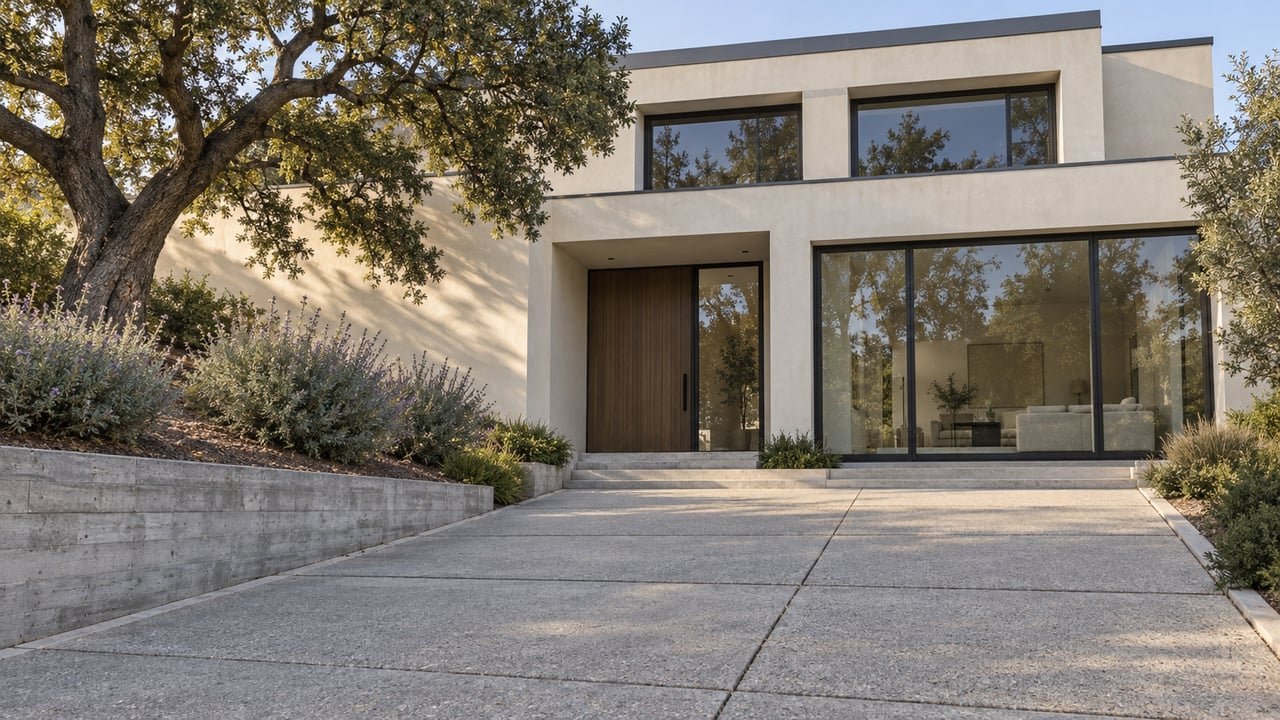
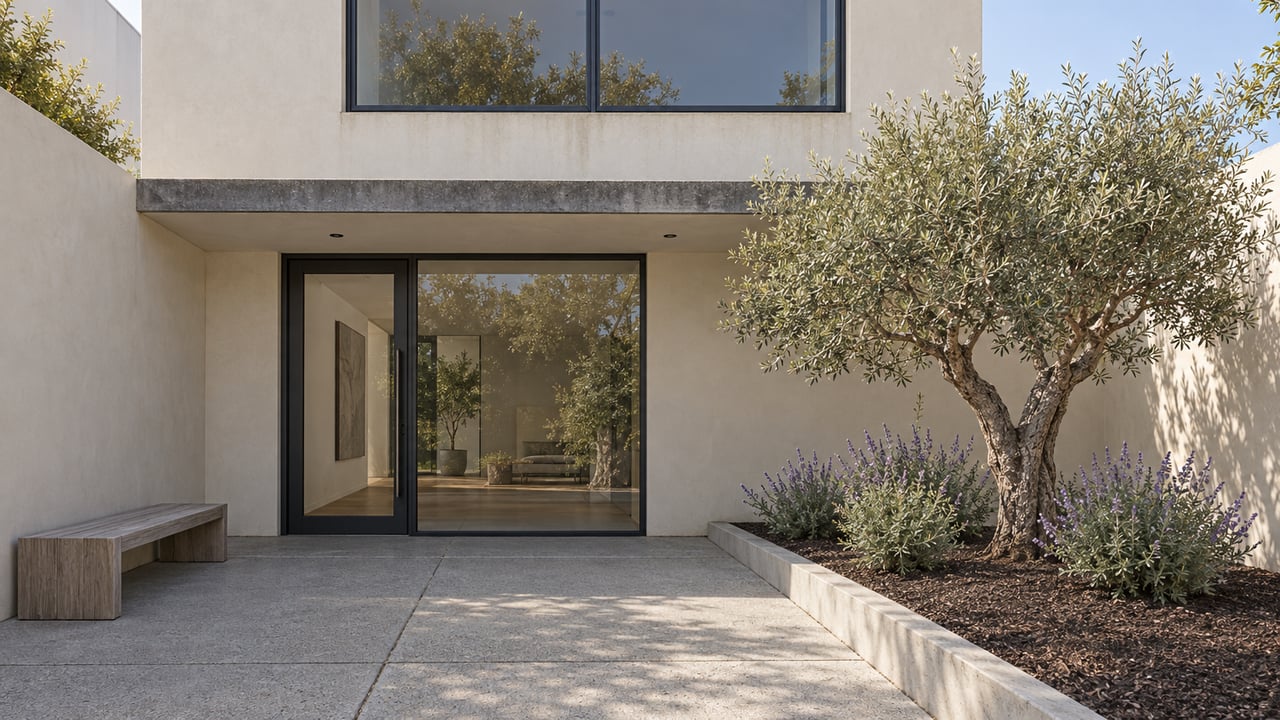
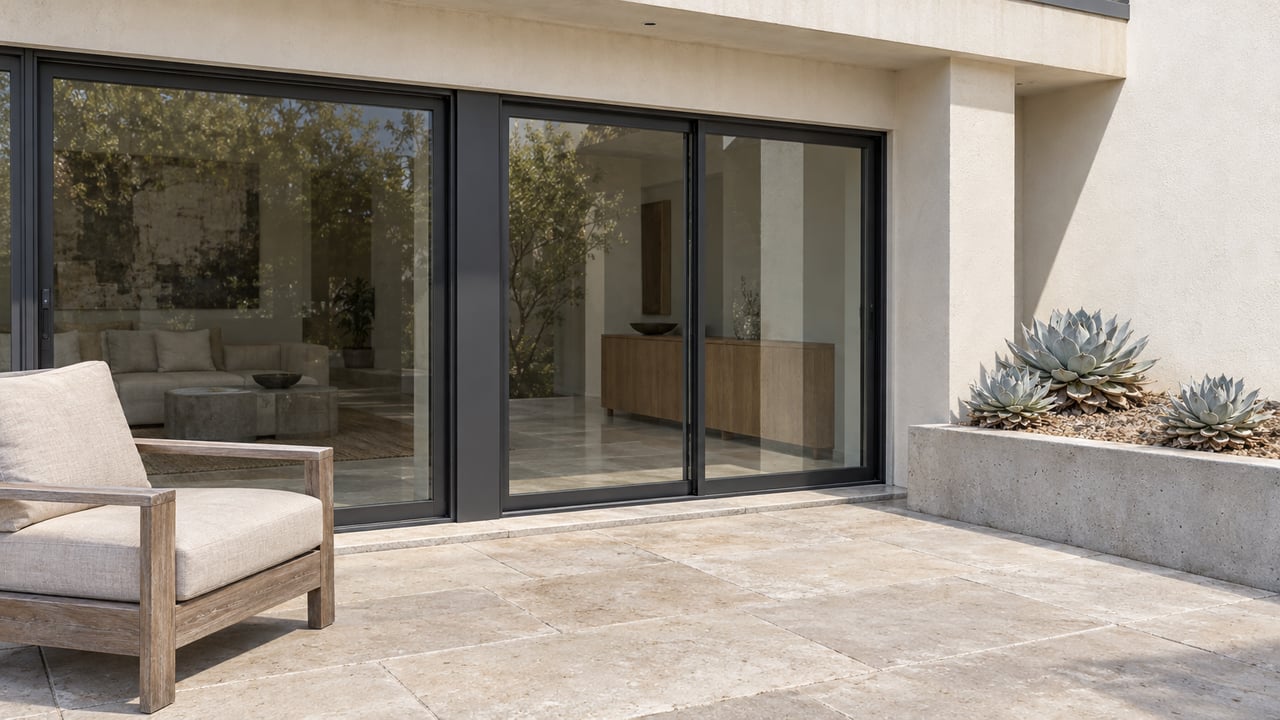
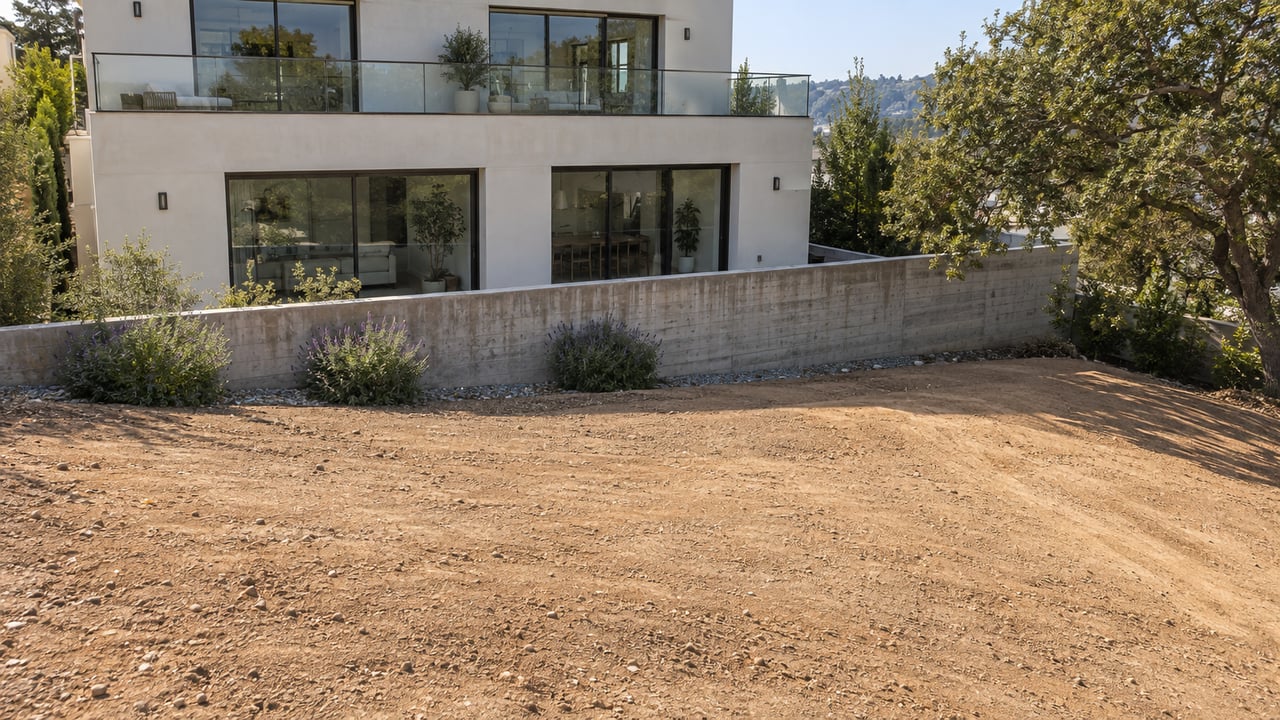
You will find Craftsman and bungalow cottages, Spanish influences, and mid-century bungalows. Many properties have contemporary remodels or full modern rebuilds with glass, open floor plans, and rooftop decks. Accessory Dwelling Units are common where allowed by zoning.
What is inside
Older cottages often started as 1 to 2 bedroom homes with smaller original layouts. Many remodels open up living spaces, add larger windows, and introduce indoor-outdoor flow. In vintage homes, plan for inspection focus on plumbing, electrical, and foundations, plus any exposed wood elements.
Beachside maintenance
Salt-laden air speeds up corrosion on metal fasteners, HVAC components, and fixtures. Moisture can affect wood and can raise mold risk if ventilation is poor. Roofs, window assemblies, and insulation often need upgrades to handle wind and salt exposure. A careful check of the building envelope is wise.
Access, parking, and mobility
Driving and circulation
Walk Streets prioritize people on foot. Some lanes feel more like paths than typical roads, and small alleys support vehicle access. Garage availability, driveway depth, and vehicle maneuvering vary block by block. Expect tighter vehicle circulation than suburban neighborhoods.
Parking reality and tips
Street parking is limited and competitive, especially near the beach and on weekends or in summer. Many older homes lack off-street parking or have compact or converted garages. Some blocks fall under Los Angeles permit programs or time limits. Do a real-world test before you buy.
- Visit on a weekday evening and a weekend afternoon to gauge parking.
- Check posted signs for permit or time limits.
- Measure garage and driveway dimensions, and confirm legal status of any spaces.
Getting around without a car
Walkability is a major draw. You can reach Abbot Kinney, the boardwalk, and the beach on foot. Biking works well for local trips through Venice and into Santa Monica. Local bus routes and shuttles can help with last-mile connections, but schedules vary.
EV charging and deliveries
Curbside charging on older blocks is limited. On-site charging often requires a proper garage or dedicated space. Rideshare pickups and deliveries can bunch up near busy areas, and narrow streets can make access tight for larger vehicles.
Living near Abbot Kinney and the beach
Everyday convenience
Abbot Kinney offers boutiques, restaurants, galleries, and cafés. Community events and pop-ups add a lively feel, especially on evenings and weekends. For everyday errands, you will find smaller markets nearby and larger grocers a short drive away.
Recreation and open space
You are close to the ocean, boardwalk, volleyball courts, skatepark, and Muscle Beach. The Venice Canals and local parks offer quieter outdoor time. This mix of activity and calm is part of the neighborhood’s charm.
Commuting patterns
Main routes like Lincoln, Pacific, and Main handle most trips through Venice. Traffic can be heavy during peak hours and on summer weekends. Many residents plan their drives around traffic patterns or choose to bike or walk for local trips.
Noise, tourism, and lifestyle tradeoffs
When it is quiet and when it is busy
Ocean Front Walk brings steady daytime activity, with weekends and summer drawing the most crowds. Abbot Kinney can be lively into the evening. Weekday mornings and mid-days are typically calmer than weekend afternoons and nights.
Finding your fit on noise
Noise varies by block and season. If quiet is a priority, test it yourself.
- Visit at different times: weekday morning, weekday evening, weekend midday, and weekend evening.
- Stand in living areas and bedrooms to gauge sound levels.
- Talk to neighbors about events, seasonal peaks, and enforcement patterns.
Safety and neighborhood response
City and neighborhood groups address issues like trash, vendor rules, and public safety resources. Noise concerns go through city code enforcement. Experiences differ block to block, so first-hand checks and conversations help.
Touring checklist for Walk Streets buyers
Pre-visit research
- Confirm zoning and permit history. Ask about past remodels, additions, and any unpermitted work on older homes.
- If in the Coastal Zone, find out whether projects required Coastal Development Permits or Local Coastal Program compliance.
- Check insurance and hazards. Look up FEMA flood zone status, earthquake retrofit status, and get homeowner and flood insurance quotes early.
- Review recent comparable sales on Walk Streets and nearby non-Walk blocks to understand pricing dynamics.
On-site priorities
- Access and parking: Test parking at peak times. Confirm garage and driveway dimensions and any permit rules.
- Structure and envelope: Look for water intrusion, rot, rusted fasteners, corroded HVAC equipment, and foundation cracking. Check roof condition and ventilation.
- Noise and privacy: Evaluate sightlines and proximity to activity hubs. Ask about events or nearby bars.
- Mechanical systems: Verify electrical panel capacity for modern loads and possible EV charging. Identify plumbing materials and age.
- Permits and legalities: Request permits and certificates of occupancy where applicable. Clarify any work completed without permits.
Follow-up due diligence
- Schedule inspections: general home, roof, pest, sewer scope, and structural when appropriate.
- Obtain insurance quotes before your offer is firm.
- Verify title and easements, including alleys or shared driveways.
- Consult a planning or permit professional if you plan major renovations.
Renovation and permitting basics
Zoning and coastal review
Walk Streets include a mix of single-family and multi-family zoning. Setbacks, height limits, and allowable uses vary by lot. Many parcels are in the Coastal Zone, which can trigger additional review for major additions or demolitions. Plan timelines with this in mind.
ADUs, additions, and rooftop decks
You will see many homes with ADUs and rooftop decks. These are often possible with proper permits and compliance. Always confirm what is allowed on your specific lot before you design plans or budget.
Insurance and hazards
Coastal proximity can influence insurance availability and cost. Some properties may require flood insurance, depending on FEMA maps. Earthquake retrofits are common needs for older homes. Get quotes and expert guidance early in the process.
Is the Walk Streets lifestyle right for you?
If you love beach living, walking to dinner, and a low-rise neighborhood feel, the Walk Streets deliver. If you need abundant off-street parking or a consistently quiet setting, you may want to focus on blocks farther from the boardwalk or closer to the canals. Walk Streets often command a premium because of proximity to the beach and Abbot Kinney, but value varies widely by block, lot, and improvements.
Ready to see how the lifestyle fits your day-to-day? A smart approach blends on-the-ground testing with careful inspections and permit checks. If you want a guided search and strong deal strategy, reach out to Tom Dolezel for local insight, high-touch support, and negotiation-first representation.
FAQs
Can I reliably park near a Venice Walk Streets home?
- Street parking is limited and competitive, especially near the beach and on weekends; many owners rely on a single off-street space if available and use permit parking where applicable.
Are the Venice Walk Streets quieter than the boardwalk?
- They are generally quieter than Ocean Front Walk, but sound levels vary by distance to the beach and Abbot Kinney and by time of day and season.
Can I remodel or add a rooftop deck on a Walk Streets property?
- Many homes have modern remodels and rooftop decks, but you must confirm zoning, Coastal Zone requirements, setbacks, height limits, and obtain proper permits.
Will I need flood insurance near the Venice Walk Streets?
- It depends on the FEMA flood zone for your parcel; coastal proximity increases the chance that flood insurance is required or strongly recommended.
How do Walk Streets prices compare with other Venice areas?
- Walk Streets tend to command a premium due to beach access and lifestyle, though prices vary by lot size, improvements, and exact block.