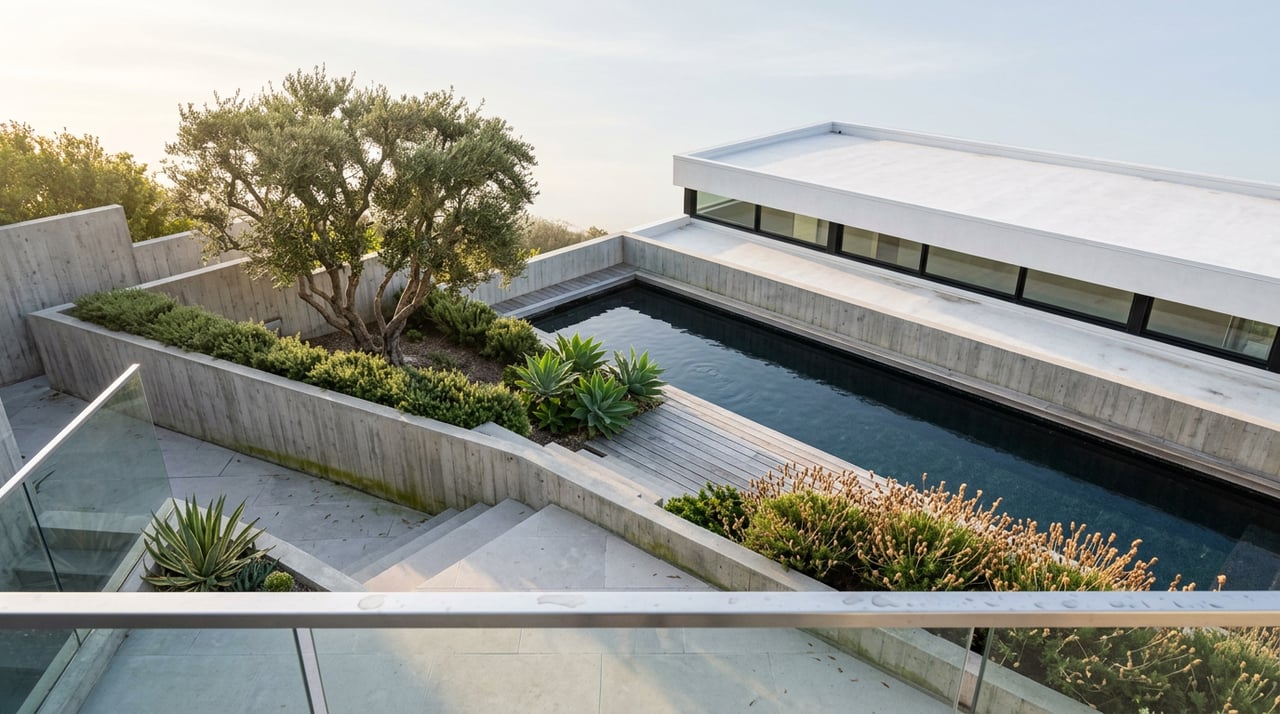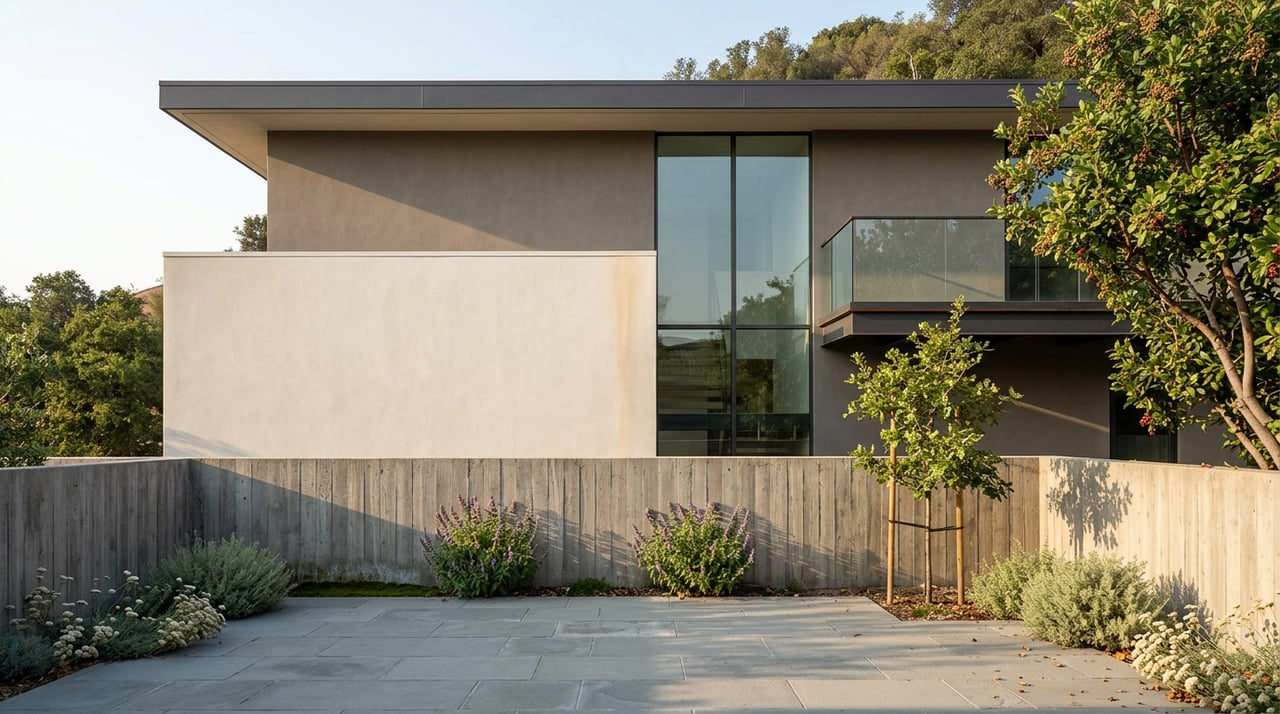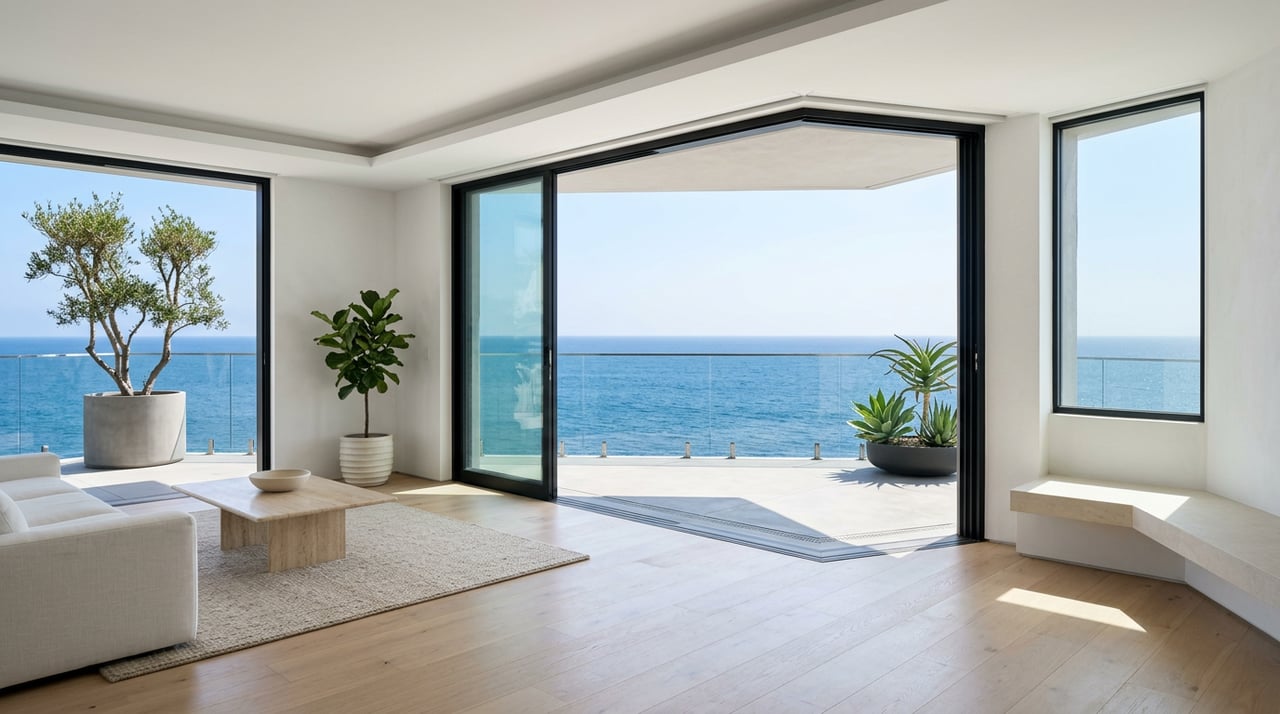
Thinking about selling your Malibu luxury home but unsure where to start? In a market where one or two trophy deals can swing the numbers, getting the strategy right matters. You want a plan that sets the price with confidence, showcases your home with editorial-grade media, and targets the right buyers without wasting time. This guide gives you a clear, step-by-step approach from pricing to PR to closing. Let’s dive in.
Malibu market reality
Malibu is a thin, location-sensitive market. Inventory has grown and many sellers have seen longer days on market compared to the prior year. A few high-value closings can move headline averages, so city-wide medians are not very helpful for pricing. You will get better clarity by focusing on a 6 to 12 month window of sold comps in your micro-neighborhood.
What buyers pay for here
- Near-beach proximity and direct beach access.
- Ocean exposure, bluff stability, and view corridors.
- Architectural pedigree and recent, permitted improvements.
- Privacy, site orientation, and usable outdoor space.
Pricing strategy that works
Start with your most relevant comps. In a low-volume area, each closing carries extra weight. Be explicit about why a comp is relevant, including lot and home size, view quality, beach rights, and any entitlements or recent inspections.
Pick the right approach
- Market-aligned pricing: Anchor to realistic sold $ per square foot and current sale-to-list patterns. This reduces time on market and draws qualified buyers faster. Use a strong listing narrative that highlights provenance and permits.
- Aspirational premium pricing: Use only if your home is truly unique and you can accept a longer lifecycle. Plan clear price bands and a public timeline for reductions to avoid a stale feel.
Match the price band
Malibu activity often clusters by tier, such as 3 to 5 million, 5 to 10 million, and 10 million plus. Price your home so it stands up to recent closings within your tier. If you need financing-sensitive buyers, consider a pre-listing appraisal or a broker price opinion to support value when appraisers have few local comps.
Decide on public vs private launch
In 2025, NAR introduced a Multiple Listing Options for Sellers policy that changed how delayed marketing can work in some places. Local MLS rules vary, and the California Regional MLS remains strict on clear cooperation rules. Confirm what is allowed before you pursue any office-exclusive or delayed syndication strategy by reviewing the NAR-level MLOS update and the CRMLS clear cooperation policy.
Prep for a media-forward launch
Luxury buyers decide from visuals first. Invest in assets that tell a lifestyle story and show scarcity.
Build premium listing assets
- Hero photography: Multiple hero shots, including exterior, signature interior, and view. Add twilight and scale images where possible.
- Drone photography and video: Show shoreline access, lot, and privacy.
- Cinematic property film: A 60 to 180 second cut supports global broker syndication and social.
- 3D walkthrough and single-property site: A Matterport-style scan helps remote and international buyers. For reference, many providers price by square footage, and you can review typical ranges via 3D tour pricing examples.
- Professional staging: The National Association of Realtors reported that agents often see staged homes receive higher offers and shorter market times, with a modest median spend across surveys, while luxury vacant estates can require larger budgets. See the NAR 2025 staging insights.
Time your production
Plan 1 to 2 weeks for staging and media production. Schedule key photography around the light that best flatters your property. Malibu late-day shoots often capture coastline depth and warm skies nicely.
Create an editorial-ready press kit
Include a property one-sheet, designer and architect credits, high-resolution photos and drone stills, video links, and a concise summary of entitlements and permits. This prepares you for luxury portal features and media outreach.
Distribution that reaches real buyers
MLS and local exposure
CRMLS is the primary Southern California MLS for broad agent exposure. Your listing plan should specify how and when it will post to the MLS and which portals will display it. Confirm the exact rules if you prefer a private or delayed approach using the CRMLS policy resource.
Luxury networks and PR
Leverage your brokerage’s luxury networks for international reach, private bank circles, and collector buyers. Ask for a clear plan for editorial outreach to outlets like Mansion Global, Robb Report, Architectural Digest, and Wall Street Journal Mansion. Provide a polished press kit and high-res assets for editors.
Auction or private sale options
If your property is highly unique and you prefer a short, public timeline with global bidder reach, a luxury auction channel can be worth review. Explore process and reserve policy with platforms such as Concierge Auctions, and compare this with MLS-first strategies.
Balance privacy and exposure
If you choose any office-exclusive or delayed marketing path, document how portals will handle display, who can access the information, and how days on market will be recorded. For policy clarity, review the NAR MLOS analysis.
Due diligence and risk prep
Buyers, lenders, and underwriters scrutinize Malibu coastal properties closely. Having documents ready at the start reduces friction and can protect your price.
Required California disclosures
- Natural Hazard Disclosure: California requires sellers to disclose mapped hazards such as very high fire zones and flood areas. Learn more about the NHD requirement from this California NHD resource.
- Transfer Disclosure Statement: Most 1 to 4 unit sellers must complete a TDS detailing known defects and material facts. Review the California Civil Code 1102 overview.
Coastal and bluff considerations
Malibu’s Local Coastal Program regulates development, bluff stabilization, and shoreline armoring. Buyers often ask for current, stamped geotechnical reports for bluff-edge homes. You can review city guidance on permits and cases through Malibu’s planning case portal.
Wildfire risk and insurance
Updated 2025 CalFire hazard maps expanded risk zones in parts of Los Angeles County, which affects building standards and insurance access. Expect questions on mitigation work, prior claims, and proof of insurability. See coverage of the new maps in the Los Angeles Times.
Sea-level rise and flood
For oceanfront parcels, identify FEMA flood designations and whether lenders will require flood insurance. Use NOAA’s Sea Level Rise viewer to summarize current conditions and near-term scenarios.
Pre-listing due diligence checklist
Have these ready at intake:
- NHD, TDS, and any HOA documents and CCRs.
- Recorded permits, Coastal Development Permits, and deed restrictions.
- Geotechnical or soils reports for bluff or hillside sites.
- Recent structural and roof inspections.
- Proof of insurance or California FAIR Plan history.
- Any environmental reports requested by buyers or lenders.
Timeline and spend guide
Here is a practical schedule you can adapt to your home and goals.
6 to 12 weeks before launch
- Confirm entitlements, permits, and any coastal items. Complex bluff or shoreline issues can take months, so start early.
- Order your NHD, begin your TDS draft, and pull HOA and permit histories.
- Schedule repairs, staging consultations, and insurance checkups.
- For bluff or shoreline engineering needs, start with a specialist early.
2 to 3 weeks before launch
- Stage and style priority rooms that will anchor your photos and video.
- Capture photography, drone, twilight, and your 3D tour. For 3D tour ranges by footage, see typical provider pricing.
- Build your single-property site and press kit.
- Finalize MLS details and confirm any private window and seller consents.
Representative investments
- 3D walkthrough: Commonly a few hundred to around a thousand dollars depending on size. See provider examples.
- Staging: NAR reports a modest median spend across surveys, with luxury vacant estates often requiring larger budgets. Review NAR’s staging report highlights.
- Drone and media: Expect add-ons that scale with property complexity and required flight plans.
Negotiation and closing
Vet the buyer early
In a thin market, proof of funds and strong lender pre-approvals matter. If financing is involved, weigh appraisal risk and consider using your pre-listing appraisal and documented improvements to support value.
Manage contingencies with intent
Inspection, appraisal, and loan contingencies are negotiable. All-cash and limited-contingency deals can shorten timelines, but many Malibu buyers finance. Align terms with your goals for price, certainty, and speed.
Escrow timing
Most California escrows run about 30 to 60 days, depending on financing and permits. Complex coastal files or late disclosures can extend due diligence, so front-load documents to avoid delays. For a general overview of closing timelines and steps, see this California closing resource.
Plan for taxes with your advisor
Discuss capital gains, primary residence exclusions, and any 1031 considerations with your CPA or wealth advisor. Make this part of your sale timeline so you can decide on the best approach before you list.
Take the next step
You deserve a pricing and media plan built for Malibu’s unique market. If you want boutique, narrative-driven marketing backed by The Agency’s reach and disciplined negotiation, let’s talk. Connect with Tom Dolezel for a tailored strategy and to Request Your Home Valuation.
FAQs
Should I list my Malibu home publicly or start with a private window?
- It depends on your goals for privacy, speed, and price; confirm local MLS rules first by reviewing current NAR and CRMLS policies, then decide how exposure and days on market will be handled in writing.
How much should I budget for staging and media on a luxury listing?
- Follow NAR staging guidance for ROI and scale media to your price point and buyer geography; plan for professional photos, drone, a 3D tour, and a short film to support global reach.
What documents should I prepare before I go live in Malibu?
- Prepare your NHD, TDS, permit and CDP records, geotechnical reports for bluff or hillside sites, inspection reports, HOA docs, insurance proof, and any environmental reports.
How do wildfire hazard maps and insurance affect my sale?
- Buyers and lenders will ask for hazard disclosures and proof of insurability; be ready to share mitigation steps and prior claims, since insurance access and costs can influence both buyer confidence and underwriting.
How do I price a rare architectural or trophy oceanfront home?
- Use the most relevant recent comps, justify value with provenance and permits, and consider an aspirational price only if you can carry a longer timeline with a clear reduction plan.
When should I consider a luxury auction for my Malibu property?
- If you have a unique asset and want a defined marketing window with global bidders, a luxury auction can help compress timelines; compare reserve terms and exposure plans with a traditional MLS-first strategy before deciding.