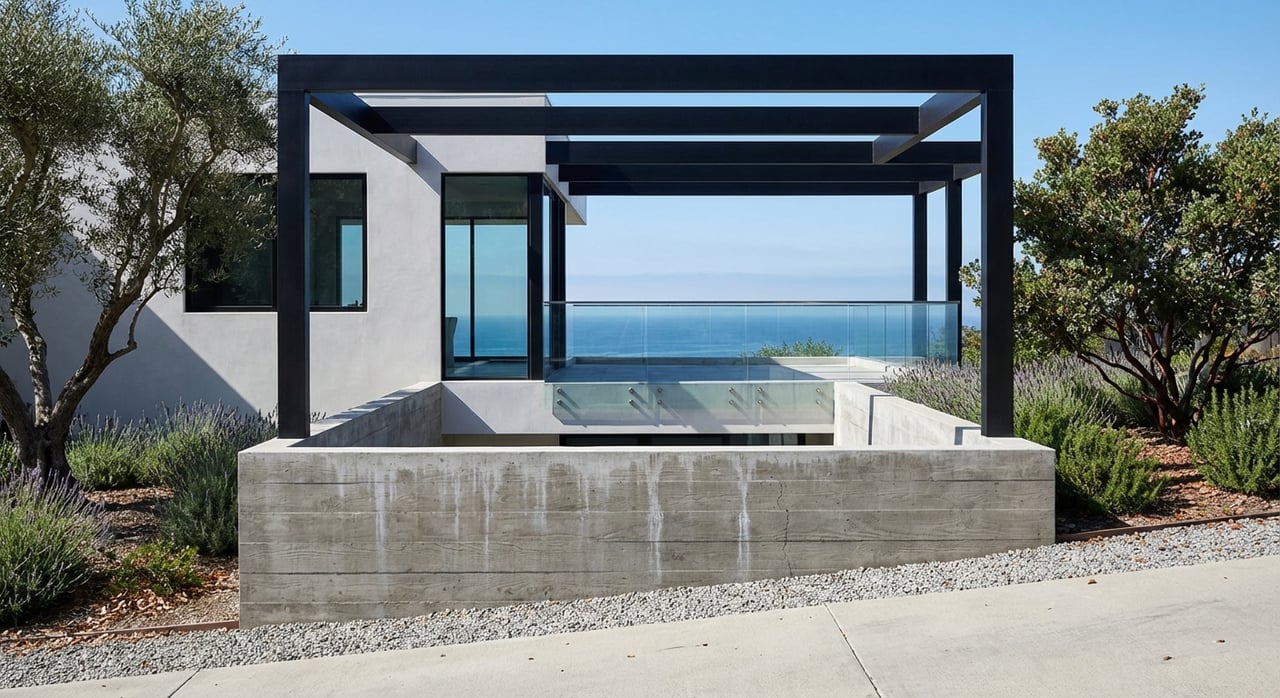
Is Malibu’s ocean-view home market still moving, or did it cool after the January fires? If you are weighing a ridgeline view against beachfront convenience, the noise can be confusing. You want clear signals on pricing power, time on market, and the real tradeoffs that affect value and ease of ownership. This guide breaks down where deals are getting done, how pricing really behaved through 2025, and the due diligence that helps you buy or sell with confidence. Let’s dive in.
Malibu market at a glance in 2025
Local broker reporting shows a clear shift toward buyer leverage in early 2025. Active listings rose roughly 16–17% year over year, while closed sales fell about 31%. Average days on market climbed to around 81 days across the year, and months of supply roughly doubled compared with 2024. Together, those signals point to more selection and slower absorption through midyear, followed by steadier activity later in the year. You can see this pattern in the quarterly splits from the local market recap at Shen Realty’s 2025 report.
Price realization also weakened relative to 2024. Malibu closings averaged roughly 89–90% of the last list price in 2025, with bigger month-to-month swings than normal. By comparison, broader Los Angeles metro measures in mid-2025 were closer to the high 90s, which highlights Malibu’s softer discount-to-ask dynamic. Public portal snapshots for the 90265 zip code late in the year reported a median price around $5.65 million, average days on market of 121 days, and a 93% sale-to-list ratio for the month reported. Since Malibu is a small, ultra-luxury coastal market, a few trophy closings can swing the averages, so quarter-level views are most helpful.
Ocean-view vs. beachfront: where the action is
Ocean-view activity in Malibu concentrates in a few ridgelines and canyons rather than spreading evenly across the city. Different pockets trade at different speeds and price points:
- Point Dume and Cliffside pockets. Often faster-moving and higher price per square foot, with panoramic or whitewater views and convenient beach access keys.
- Winding Way and De Butts Terrace estates. Large, high-elevation parcels with sweeping views and selective, higher-dollar trading.
- Latigo, Trancas, and Las Flores canyons. Elevated ocean vistas with more variation in pricing, plus occasional rebuild or land opportunities.
- Malibu Park and Sycamore Park. Inland ridges and larger lots where some properties capture strong views, and others trade on privacy and land.
When you compare a view home to a beachfront property, call out three specifics that move value: the quality of the view, the convenience of access to PCH and beach points, and the property’s elevation and driveway road type. Those details explain a lot of the pricing spread inside the “ocean-view” bucket.
What drives value for ocean-view homes
View quality and elevation
Not all views are equal. Unobstructed, permanent panoramas and whitewater sightlines command the most value. Academic and applied research finds ocean-view premiums ranging from roughly 8% to 50% depending on the market and the quality of the view, with the upper end reserved for rare, uninterrupted outlooks. For a helpful synthesis, see the overview of view premiums on Coastal Wiki.
In Malibu specifically, beachfront and bluff-front parcels still set the top end for price per square foot. Premium ridgeline and cliffline properties with commanding views trade at a strong premium to non-view inland homes, but they do not reach true oceanfront levels. Recent land market notes offer context on the price split between beachfront and hillside sites, such as the fall update from Philippe Properties.
Road access and PCH closure risk
Access matters. After the January fires, sections of Pacific Coast Highway experienced repair work and partial closures. Many ocean-view homes rely on PCH or single canyon roads, so any closure can add time, complicate commutes, and factor into evacuation planning. Local coverage of Malibu transportation and closure updates is helpful when you evaluate a property’s access pattern. For examples and context, see The Canyon News’ Malibu section.
Wildfire exposure, insurance, and lending
The January 2025 Palisades and Eaton fires altered risk perception and deal flow. News coverage and broker recaps document a surge of listings, including burned lots, and slower closings in Q1 while insurers and lenders reassessed exposure. For a grounded view of the fire’s human and market effects, see the Los Angeles Times report. The post-fire landscape also brought oceanfront and ocean-view lots to market at new price points, covered in outlets like Business Insider.
State policy changes in 2025 also shaped insurance availability. Hearings focused on catastrophe modeling updates, the FAIR Plan’s role, and how reinsurance costs are treated. This matters because some hillside or high-hazard properties now require surplus lines coverage or FAIR Plan backstops, which can affect loan approvals and escrow timelines. You can review the policy backdrop in the Assembly Insurance Committee hearing materials via Digital Democracy.
Building and permitting on ridgelines
Hillside construction and rebuilds often require geotechnical reports, grading permits, engineered foundations, and retaining structures. These requirements add cost and time compared with simpler, flat parcels. LA County provides guidance on permits and building processes at Building and Safety FAQs and shares post-disaster rebuilding resources at the county’s rebuilding page. You can also verify a property’s wildfire hazard designation on the LA County GIS hazard map.
What this means for buyers
If you are targeting Malibu ocean-view homes, approach each property with a practical lens and a plan.
- Anchor offers to quarter-level comps. In 2025, Malibu closings averaged about 89–90% of last list, with more give on price earlier in the year. Use recent neighborhood-specific comps rather than citywide medians.
- Budget for view-home extras. Geotechnical work, wildfire hardening, defensible space upkeep, potential premium insurance, and possible backup power can add meaningful annual and upfront costs.
- Verify hazard and insurance early. Confirm whether the parcel sits in a High or Very High Fire Hazard Severity Zone via the county hazard map. Ask the seller for current insurance quotes and whether coverage is with an admitted carrier, surplus lines, or the FAIR Plan. Policy context is summarized in the 2025 Assembly Insurance hearing.
- Assess access and evacuation. Check recent PCH and canyon road closure patterns and plan detours. Local updates are covered in The Canyon News.
- Expect longer escrows in high-hazard pockets. Insurer and lender reviews can extend timelines. If you finance, get pre-underwriting that accounts for nonstandard insurance.
What this means for sellers
Ocean-view sellers can still achieve strong results by controlling the variables that create friction.
- Price to today’s comps. The buyers who are in the market are value sensitive. Listings positioned near the last quarter of verified comps moved faster in 2025 than aspirational asks.
- Pre-list your due diligence. Pull permit and geotechnical history, gather current insurance quotes, and provide a simple hazard summary with links to the county hazard map and Building and Safety FAQs. Make it easy for buyers and lenders to say yes.
- Market the view with clarity. Describe the view type precisely, such as full panorama, whitewater, or partial. Note orientation, key sightlines, and any protections against future obstruction.
- Address access upfront. Outline typical drive times, detours during occasional PCH work, and any driveway or private road details that affect daily life.
- Prepare for selective liquidity. Expect stronger response where view quality, access, and insurability are clear. If traffic is light after launch, work with your agent on a crisp repositioning plan grounded in comp data.
Timing and posture in 2025
The year started with a fire-driven inventory surge and slower absorption, then improved into late summer and fall as buyers adjusted and specific listings found their level. Months of supply roughly doubled versus 2024, and the average sale landed near 89–90% of the final asking price. If you are buying, use inspections and insurance diligence to win favorable terms without overreaching. If you are selling, lean into pre-list preparation and data-backed pricing. For the quarterly cadence and local specifics, review Shen Realty’s 2025 Malibu recap.
Buyer and seller checklists
Here is a quick reference to keep you on track.
Buyer due diligence
- Confirm Fire Hazard Severity Zone status on the county GIS map.
- Request current insurance quotes and carrier type. Review FAIR Plan or surplus lines if applicable using the 2025 state hearing materials for context.
- Check recent PCH and canyon road closure patterns via local transportation coverage.
- Pull LA County permit and geotechnical records. Start with Building and Safety FAQs.
- Price to recent neighborhood comps and confirm elevation, driveway type, and access.
Seller pre-list essentials
- Compile permits, soils, grading, and any engineering reports.
- Obtain an insurance quote package with carrier options and expected premiums.
- Document wildfire hardening and defensible space work.
- Create a view brief with orientation, protections, and any easements.
- Write a clear access summary that covers typical drive times and alternate routes during periodic PCH repairs.
The bottom line
Malibu’s ocean-view segment is moving, but it is selective. Buyers are negotiating from data and risk-adjusted costs, and sellers who price to the last quarter of comps with clean due diligence see the best results. The strongest outcomes in 2025 paired a high-quality, well-documented view with clear access, realistic insurance, and a tight marketing story. If you want to calibrate your move to today’s Malibu, let’s connect and tailor a plan to your property or search. Connect with Tom Dolezel for a strategy built on local expertise, premium presentation, and disciplined negotiation.
FAQs
How did Malibu ocean-view pricing perform in 2025 compared to the LA metro?
- Local broker data shows Malibu closings averaged about 89–90% of last list in 2025, while broader LA metro measures were closer to the high 90s, which signals softer price realization in Malibu’s segment.
What insurance issues should I expect on Malibu ridgeline or canyon homes?
- Some properties require surplus lines or FAIR Plan coverage, and lenders may request extra documentation or decline loans without standard coverage, so start quotes early and review the state’s 2025 insurance hearing context.
Where are Malibu ocean-view deals most active right now?
- Activity clusters around Point Dume, Winding Way and De Butts Terrace, Latigo and Trancas canyons, and inland ridges like Malibu Park and Sycamore, each with different price tiers and speeds.
How much is an ocean view worth in Malibu?
- Studies cite a wide 8% to 50% range depending on view quality, with permanent, unobstructed panoramas capturing the strongest premiums and partial views less.
What should I do before listing a Malibu ocean-view home?
- Price to quarter-level comps, compile permits and geotechnical reports, secure current insurance quotes, document wildfire hardening, describe the view precisely, and explain access and detours clearly.
Will escrows take longer for hillside view homes?
- They can, especially in high-hazard areas where insurance and lender reviews add time, so build in buffer days and start due diligence early.