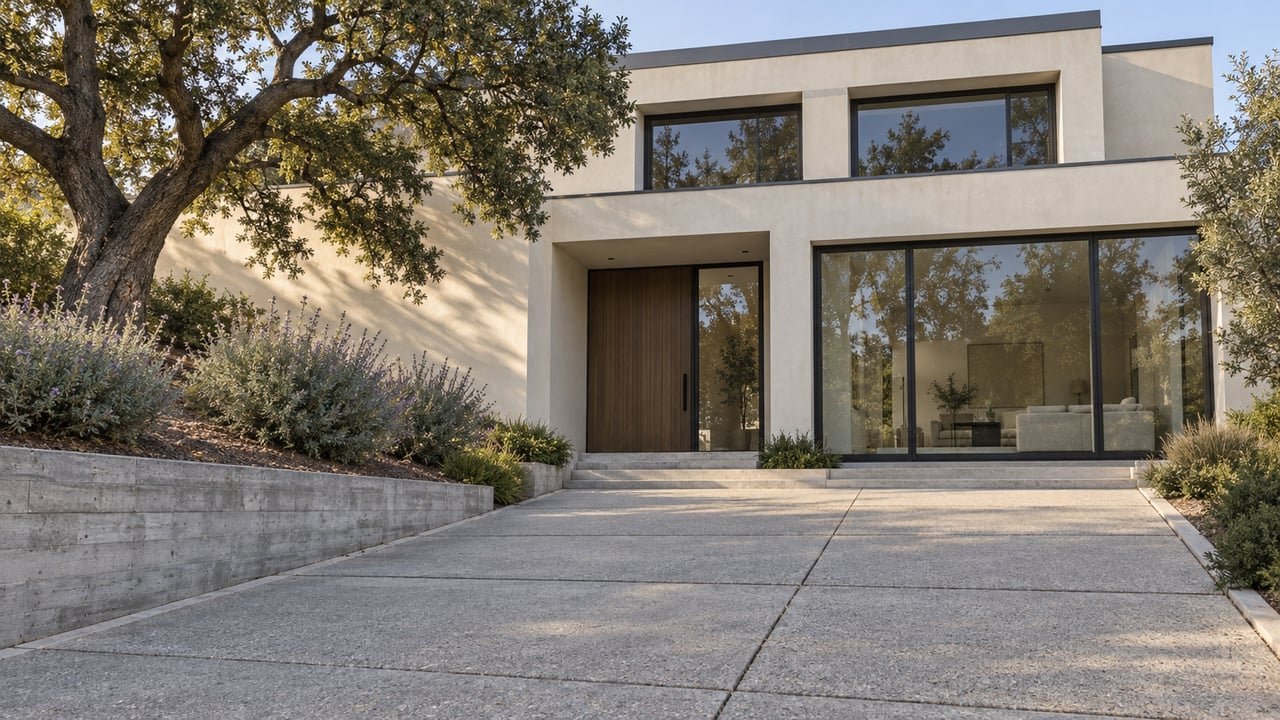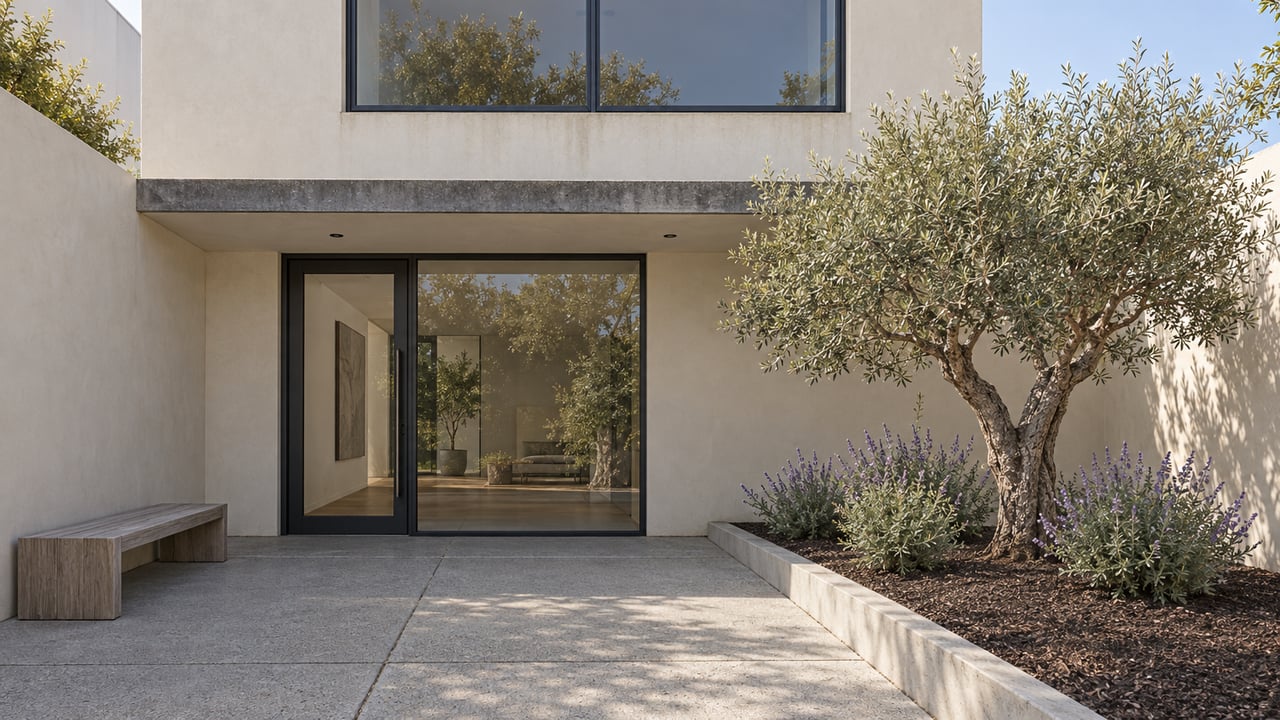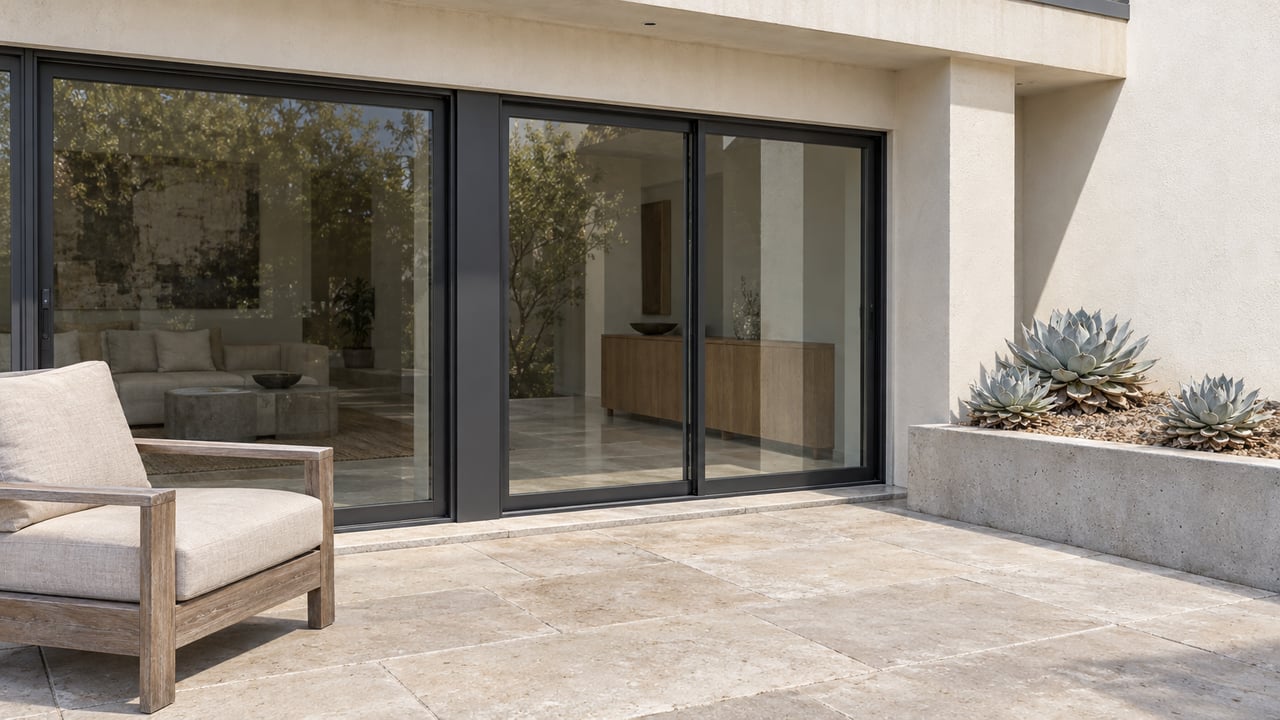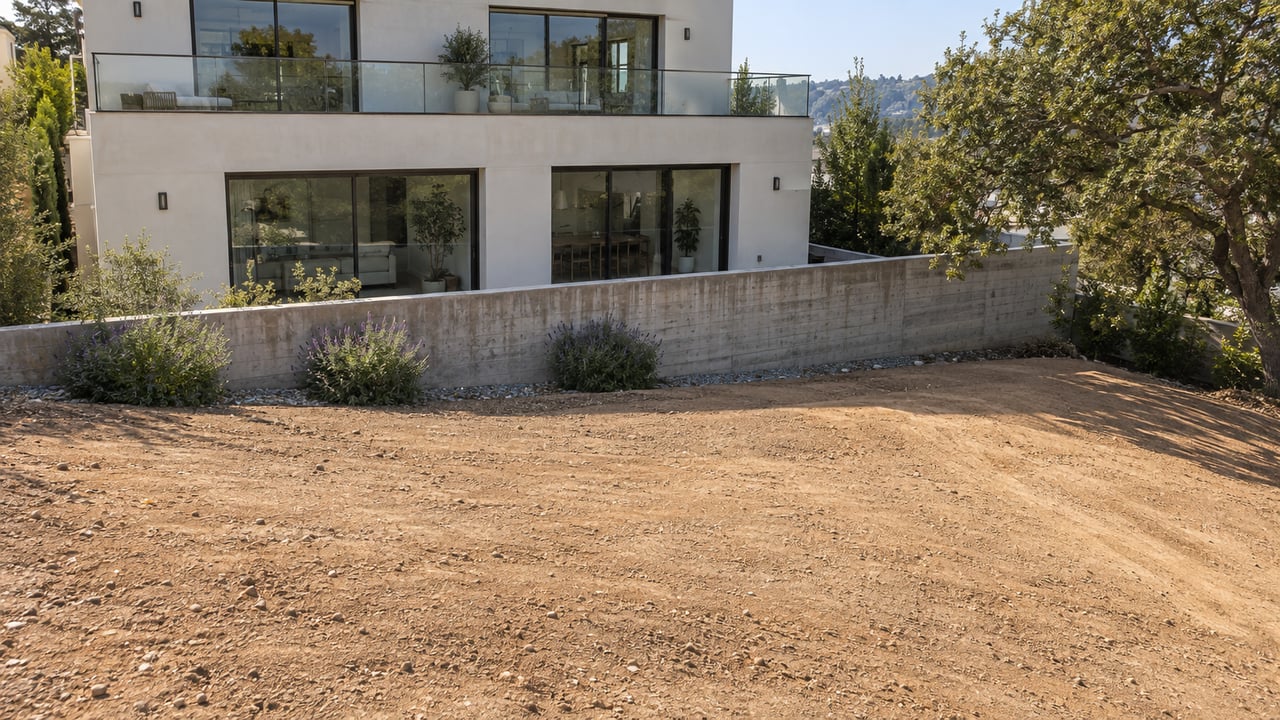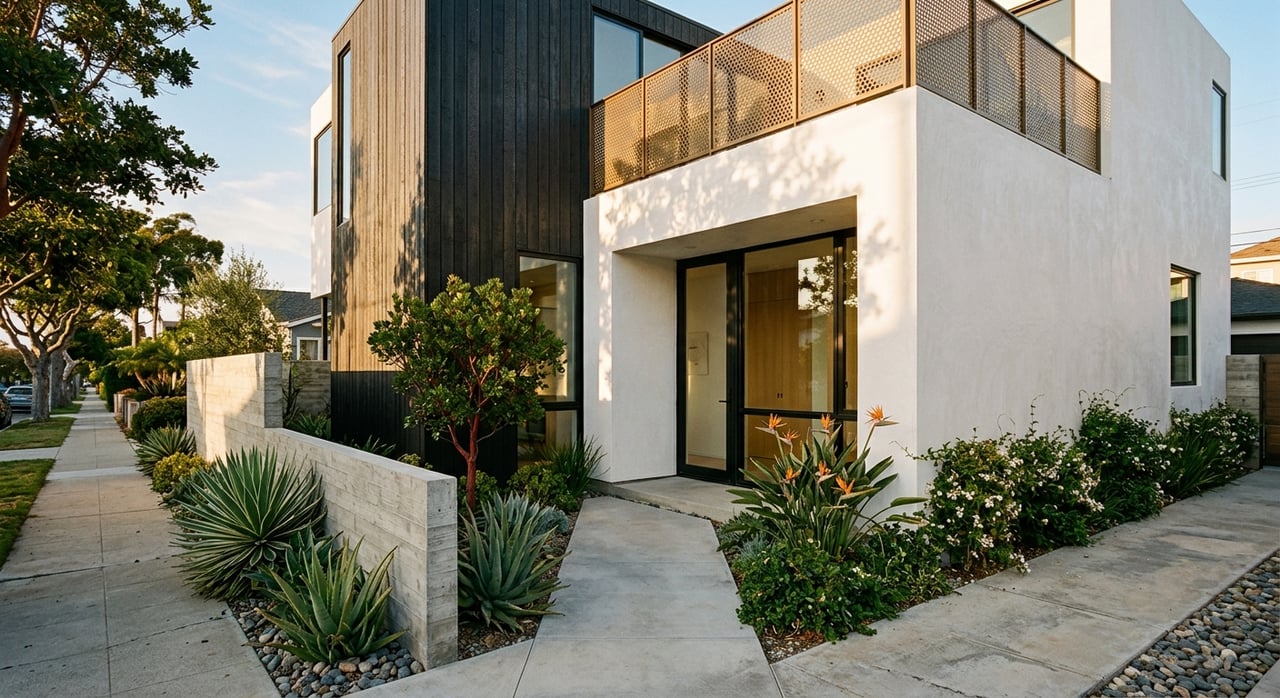
If you think all coastal neighborhoods feel the same, Venice will quickly change your mind. This is a place where canals, compact lots, older cottages, industrial live/work spaces, and bold modern homes all exist within a few blocks of each other. If you are drawn to design, creativity, and homes with real personality, understanding Venice’s built environment can help you see why it stands apart. Let’s dive in.
Venice blends history and reinvention
Venice was founded in 1905 by Abbot Kinney as a beach resort town, and that layered origin still shapes how the neighborhood feels today. The Venice Canal Historic District is formally recognized by both the State of California and the City of Los Angeles, and city planning documents note that the canal system includes six canals, sidewalks, and bridges.
That historic framework is only part of the story. The SurveyLA report on Venice says the original canal district contains 449 properties, is predominantly single-family, and dates mostly from the 1910s and 1920s on modest lots. In practical terms, that means Venice often feels intimate, compact, and architecturally layered rather than uniform.
The Venice Community Plan adds another important detail: many lots are very small by Los Angeles standards, and industrial structures have long been used for artist galleries and live/work studios. That helps explain why Venice feels more improvisational than many other coastal neighborhoods in Los Angeles.
Modern architecture in Venice
Modern architecture in Venice is not just about clean lines or minimal finishes. It is often a response to very specific site conditions, including narrow lots, the need for privacy, and the desire to bring in natural light.
A strong example is the Caplin House, which uses a curved roof, central atrium, and skylight to reference both a boat hull and a wave. It shows how Venice design can feel sculptural and expressive while still being deeply tied to coastal living.
The Norton Residence solves the privacy challenge in a different way. Its offset box-like forms and rear-oriented bedrooms help protect private living spaces without giving up light or openness.
Other notable homes point to the same pattern. The Hopper House combines a bright interior with a more private upper level and a compound-style layout for entertaining, while the Indiana Avenue Houses, also known as the Arnoldi Triplex, use three small studio volumes with different claddings and exposed structure. The Delmer Residence takes yet another approach by adding a new rear volume to an older cottage instead of replacing it entirely, according to the Los Angeles Conservancy’s overview of Venice modern homes.
Privacy and light drive design
One of the biggest questions buyers have about Venice homes is how they preserve privacy in such a compact setting. The answer often comes down to layered design choices rather than one single feature.
Common solutions include:
- Rear-oriented bedrooms
- Interior courtyards or atriums
- Walls and screening elements
- Split or offset massing
- Compound-like layouts with separate zones
These design moves help homes feel calm and sheltered while still taking advantage of sunshine and indoor-outdoor flow.
Venice modernism feels site-specific
A helpful way to think about Venice modernism is that it tends to be sculptural, site-specific, and tuned to indoor-outdoor living. That reading comes from the pattern seen across the documented examples, rather than from a single rulebook.
Even civic architecture supports that identity. The Venice Lifeguard Station is a 1969 Mid-Century Modern landmark with a hexagonal tower, post-and-beam structure, and floor-to-ceiling windows. It is not a residence, but it reinforces how much the beachfront itself is shaped by modern design.
Creative living is built into Venice
Venice is not only about architecture. It is also about the culture that grows around that architecture.
Abbot Kinney Boulevard is the clearest example. Discover Los Angeles describes it as a vibrant stretch of boutiques, salons, galleries, restaurants, and bars, while city survey materials note that early residences along the street were converted into retail shops and restaurants. That mix of old structures and new uses helps create the street’s distinct energy.
The creative ecosystem extends beyond retail. Beyond Baroque, located in historic Venice City Hall, is an independent literary arts center focused on poetry, fiction, literature, music, and art. Venice Arts focuses on photography and film education for young people, adding another layer to the area’s long-standing creative identity.
Public space matters here, too. The county describes Venice Beach as a place where artists, street performers, and bodybuilders share the same public realm, and Discover Los Angeles notes that murals contribute to the area’s visual energy. In Venice, creativity is not tucked away. It is part of daily life.
Old and new coexist in Venice
One of the most compelling parts of Venice is that it still mixes older and newer forms of housing. According to the SurveyLA Venice report, the canal district and walk streets still contain older cottages and bungalow courts, while modern homes and additions continue to appear alongside them.
That means the most interesting design story in Venice is not limited to one style. You can see preservation, adaptive reuse, additions, and ground-up modern architecture all within the same broader neighborhood fabric.
It also means Venice’s strongest homes are not all clustered around the canals. Notable examples also appear on Ocean Front Walk, San Juan Avenue, Indiana Avenue, and mixed-use blocks near Abbot Kinney. If you are exploring Venice real estate, it helps to look at the neighborhood as a collection of micro-settings rather than a single visual category.
Venice versus nearby coastal options
If you are comparing Westside coastal neighborhoods, Venice often appeals to people who want a stronger architecture-and-art identity. Nearby areas offer different experiences.
Santa Monica is more clearly structured around downtown retail and programmed public space. The city highlights the Third Street Promenade and Santa Monica Place as a major economic and entertainment district, while Main Street is described as a specialty-shopping and visitor-serving corridor with restaurants, art galleries, and specialty retail.
Marina del Rey has a more water-first orientation. According to Visit Marina del Rey, it is an unincorporated Westside community that is about half water, and Marina del Rey Harbor is the largest man-made small craft harbor in North America, with more than 4,600 slips in 22 anchorages. County and tourism sources emphasize boating, harbor activity, parks, cruises, and beach access.
In broad terms, Venice reads as the most architecture-and-art-forward of the three, Santa Monica as the most polished retail-urban, and Marina del Rey as the most harbor-centered. If your lifestyle is shaped by design, creative culture, and homes with a more individual point of view, Venice often stands out.
What this means for buyers and sellers
For buyers, Venice can reward a more thoughtful search. The value is not only in square footage or proximity to the beach, but in how a home handles light, privacy, outdoor space, and connection to the surrounding streetscape.
For sellers, Venice architecture often benefits from strong storytelling. A home’s design decisions, relationship to the lot, and place within Venice’s broader creative identity can all shape how buyers perceive it. In a neighborhood this visual and layered, presentation matters.
Whether you are buying, selling, or simply weighing Venice against other coastal pockets on the Westside, the key is seeing the neighborhood clearly. Venice is not polished in the same way as some nearby communities, and that is exactly why many people are drawn to it.
If you are thinking about a move in Venice or anywhere along LA’s coastal markets, working with a local advisor who understands lifestyle, architecture, and positioning can make the process much clearer. Connect with Tom Dolezel for strategic guidance on buying, selling, leasing, or evaluating the right fit for your goals.
FAQs
What makes Venice architecture different from other coastal LA neighborhoods?
- Venice combines historic canals, modest lots, older cottages, industrial live/work buildings, and site-specific modern homes in a way that feels more layered and design-forward than many nearby coastal neighborhoods.
How do Venice homes create privacy on small lots?
- Venice homes often use rear-oriented bedrooms, courtyards, walls, screening, offset massing, and compound-style layouts to create privacy while still bringing in light.
Are the most interesting Venice homes only on the canals?
- No. Notable homes also appear on Ocean Front Walk, San Juan Avenue, Indiana Avenue, and mixed-use blocks near Abbot Kinney.
Does Venice still have older homes alongside newer ones?
- Yes. Planning and survey documents show that older cottages and bungalow courts still exist alongside modern homes and newer additions.
How is Venice different from Santa Monica and Marina del Rey?
- Venice is generally more architecture-and-art-forward, Santa Monica is more retail-urban and programmed, and Marina del Rey is more centered on boating, harbor activity, and water-based recreation.