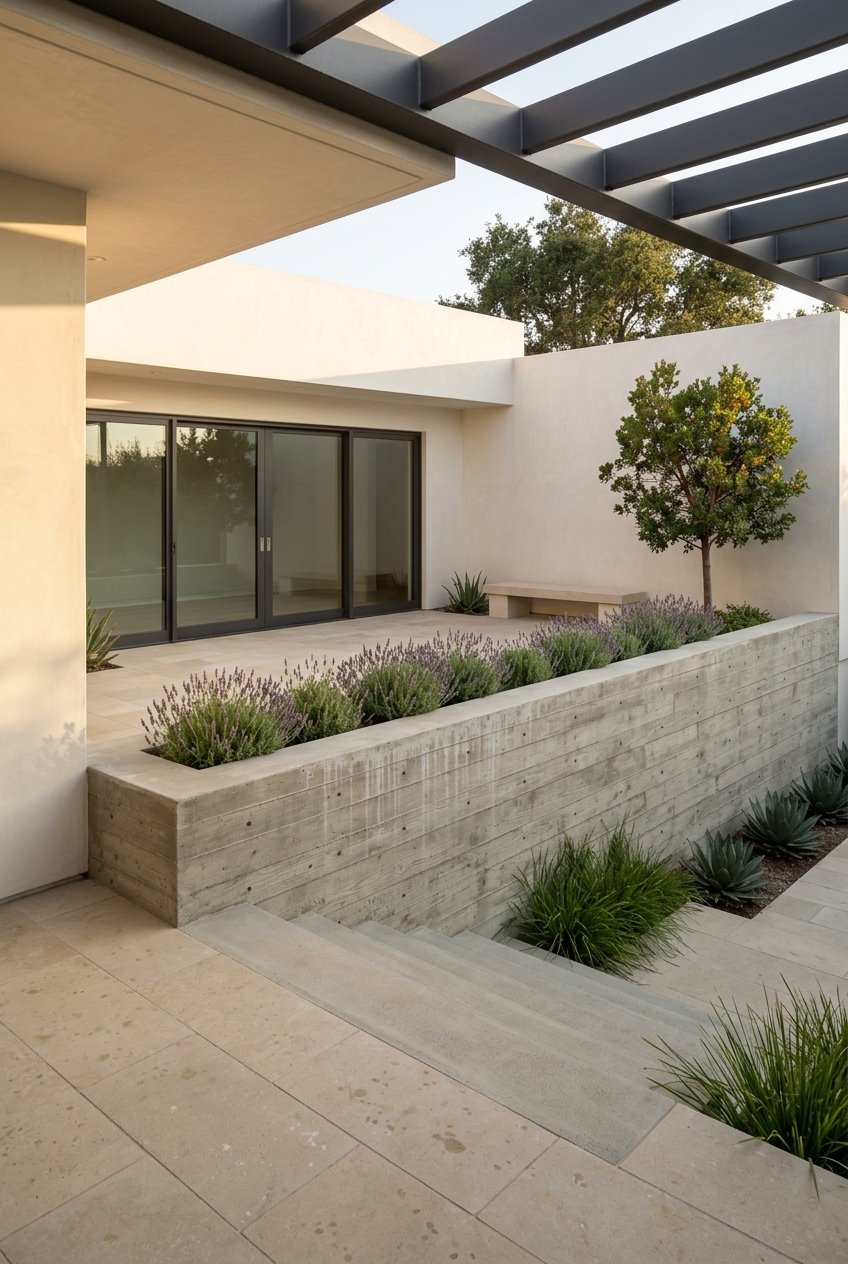
If you are choosing between Brentwood’s flats and hills, the real question is not just price. It is how you want to live every day, what kind of setting feels right, and which features are most likely to matter when you sell. In Brentwood, that choice can shape your commute, privacy, views, and long-term value in very different ways. Let’s dive in.
Brentwood’s Layout Matters
Brentwood has a clear topographic split. South of Sunset, much of the neighborhood is flatter or gently rising, while north of Sunset the terrain moves into hills and canyons, especially around Mandeville Canyon and Kenter Canyon. That physical divide helps explain why homes can feel so different within the same broader neighborhood.
The flatter areas include more urbanized and grid-like sections, along with a wider mix of housing types. The hill areas are more shaped by ridges, slopes, and canyon streets. In simple terms, the flats tend to feel more convenient and varied, while the hills tend to feel more private and more retreat-like.
Flats Offer Easier Daily Living
For many buyers, the flats are the most practical choice. The street patterns are usually simpler, the lots are often more standardized, and access to Brentwood’s main commercial corridors is generally easier. If you value day-to-day efficiency, this can be a major advantage.
SurveyLA notes that the area between San Vicente and Wilshire, along with the Barrington corridor, contains much of Brentwood’s multi-family housing. It also identifies Brentwood Glen and areas south of San Vicente as more grid-like and denser than some of the surrounding single-family tracts. That mix can create a broader set of options, from condos and attached housing to single-family homes.
Brentwood Park is a strong reference point for flat-area luxury. SurveyLA describes it as an early subdivision with roughly 500 parcels on 350 acres, known for large single-family homes, mature trees, broad frontages, and a mix of architectural styles. If your priority is usable land and classic estate scale on flatter terrain, that is the profile many buyers are chasing.
Why the Flats Appeal to Buyers
The flats often stand out for practical reasons:
- Easier day-to-day access to Wilshire, San Vicente, Sunset, and the 405
- More housing variety, including condos, attached housing, and single-family homes
- More standardized lots and layouts
- More usable outdoor space on flatter parcels
- A broader potential resale audience
That last point matters. Homes with simpler layouts, easier access, and broadly appealing lot configurations often attract more buyer types over time.
Hills Deliver Privacy and Views
If you want a more dramatic living experience, the hills usually have the edge. North of Sunset, development climbs into canyons and ridges, where lot shapes and home design are more influenced by topography. The result is often a more custom feel.
City planning materials note that hillside homes often take advantage of sweeping canyon and city views. Crestwood Hills in upper Kenter Canyon is a standout example. Its postwar modernist planning used limited grading to preserve views and maximize privacy, which is a strong clue to what hillside buyers value most.
In the hills, the premium is often tied to scarcity. There are fewer directly comparable lots, more design individuality, and stronger emotional pull when a home has a real view corridor. That makes hillside properties attractive to buyers who want something less interchangeable.
Why the Hills Stand Out
The hills often appeal for a different set of reasons:
- Better potential for canyon and city views
- Greater privacy and separation from busier corridors
- More custom architecture and site-specific design
- A stronger sense of retreat
- Scarcity that can support long-term appeal for standout properties
That said, not every hillside home captures the same premium. View quality, access, architecture, and lot usability all matter.
Space Means Different Things Here
When buyers say they want “space,” they are not always talking about the same thing. In Brentwood’s flats, space often means more usable yard area, larger frontages, and easier outdoor living on flatter land. In the hills, space often means visual separation, distance from neighbors, and a broader sense of openness created by elevation.
Brentwood Park highlights the flat-area version of space well, with large lots and established landscaping. In contrast, hillside areas often create privacy through terrain and orientation rather than lawn size or traditional yard layout. So the better question is this: do you want functional space, or atmospheric space?
For some buyers, a flatter yard for entertaining or everyday use wins. For others, a terraced hillside setting with long views feels more valuable, even if the lot is less straightforward to use.
Commute and Access Are Real Tradeoffs
One of the biggest differences between the flats and hills is friction. Brentwood’s main routes include Wilshire, San Vicente, Sunset, Barrington, Bundy, and the 405. SurveyLA also notes that Sunset is circuitous through the area, and that Mulholland is largely inaccessible except from the eastern edge at Sepulveda.
That helps explain why upper canyon living can feel more removed. The hills may offer more privacy, but they can also mean fewer route options and a less direct path in and out. The flats usually make it easier to reach Westwood, Santa Monica, the Wilshire corridor, and freeway access.
For buyers who commute often or want simple daily circulation, this is more than a minor detail. Over time, route flexibility can shape how convenient a home feels far more than square footage does.
Fire Exposure Deserves Attention
In hillside areas, fire safety is part of the ownership equation. The Los Angeles Fire Department notes that the city’s Very High Fire Hazard Severity Zone includes portions of Brentwood and most hilly and mountainous parts of Los Angeles. It also points to narrow roads, tight curves, and hairpin turns as potential choke points during brush-fire evacuations.
Brentwood Hills HOA also centers fire safety, open space preservation, and traffic mitigation as key neighborhood issues. For buyers comparing flats and hills, that means the tradeoff is not just about scenery. It is also about access complexity and how topography can affect emergency movement.
This does not mean one choice is universally better. It means you should weigh lifestyle upside against practical exposure with clear eyes.
Microclimate Can Change the Feel
Topography can also shape the way a home feels day to day. The National Park Service notes that climate can change depending on which side of the Santa Monica Mountains you are on. NOAA normals for Santa Monica Pier show a mean annual temperature of 60.5°F, which offers a useful coastal baseline nearby.
In Brentwood, that supports a practical inference: lower flats are generally more likely to feel cooler and more influenced by the marine layer, while upper canyon and hillside streets may feel sunnier, warmer, and more exposed to wind and fire-weather conditions. It is not a parcel-by-parcel rule, but it is a meaningful pattern to keep in mind.
If you are sensitive to heat, sun exposure, or wind, this can affect your day-to-day comfort more than many buyers expect. A home’s setting is not just visual. It is physical.
Long-Term Value Depends on Buyer Type
Brentwood’s current market snapshot suggests a slower pace than some buyers expect. Redfin shows a median sale price of $2.25 million in March 2026, with homes selling in roughly 82 to 90 days and average sales about 4% below list price. Because those numbers blend flats, condos, and hills, they work best as a neighborhood-wide baseline rather than a direct side-by-side split.
Nearby benchmarks help frame the spectrum. Santa Monica posted a median sale price of $1.56 million in March 2026, with homes typically selling in about 50 to 52 days and around 1% below list. Pacific Palisades posted a median sale price of $3.0 million, with homes selling in about 55 to 64 days and around 4% below list.
That context supports an important market distinction. Flats often behave more like a liquid residential market with broad demand, while the hills behave more like a scarcity market where site quality, architecture, and views can drive stronger premiums.
How Flats and Hills May Perform Over Time
Here is a simple way to think about it:
| Factor | Brentwood Flats | Brentwood Hills |
|---|---|---|
| Resale audience | Broader | More niche |
| Convenience | Stronger | Weaker |
| Views | Usually less dramatic | Usually stronger |
| Usable land | Often better | Often more limited by slope |
| Privacy | Varies by block | Often stronger |
| Market behavior | More liquid | More scarcity-driven |
In softer markets, buyers may discount highly customized hillside homes faster, especially if access is challenging or the design feels too specific. In stronger markets, a rare hillside property with real views and strong architecture can regain that premium quickly.
Which Choice Fits You Best?
If you want easier daily living, flatter lots, and the widest resale pool, the flats usually make more sense. They often offer more straightforward value because the benefits are practical and easy for buyers to understand. That can support long-term demand.
If you want privacy, views, and a property that feels more like a retreat, the hills may be the better fit. Their value is often more emotional and more scarcity-driven, which can be powerful when the site and design truly stand out.
The smartest comparison is not just price per square foot. It is price per square foot plus usable land, view quality, privacy, commute friction, and fire-safety exposure. When you evaluate Brentwood through that lens, the right answer becomes much clearer.
If you are weighing Brentwood’s flats against its hills, working with someone who understands lifestyle, property positioning, and long-term market behavior can make the decision far more strategic. For tailored guidance on buying, selling, or leasing in Brentwood and across the Westside, connect with Tom Dolezel.
FAQs
What is the main difference between Brentwood flats and Brentwood hills?
- The flats generally offer easier access, more usable land, and a wider range of housing, while the hills generally offer more privacy, more custom homes, and stronger view potential.
Are Brentwood hill homes better for views?
- Yes. Planning materials indicate that hillside homes in Brentwood often take advantage of sweeping canyon and city views, especially in areas shaped by ridges and canyon terrain.
Are Brentwood flat homes easier for commuting?
- In many cases, yes. The flats usually provide simpler access to major routes like Wilshire, San Vicente, Sunset, Barrington, Bundy, and the 405.
Do Brentwood hills have more fire exposure?
- Portions of Brentwood’s hillside areas fall within the city’s Very High Fire Hazard Severity Zone, and hillside roads can include tight curves and narrower access points that matter during evacuations.
Which Brentwood area may hold value better over time?
- It depends on what buyers prioritize. Flats often benefit from broader resale demand and convenience, while hills can command stronger premiums when a property offers standout views, privacy, and architecture.