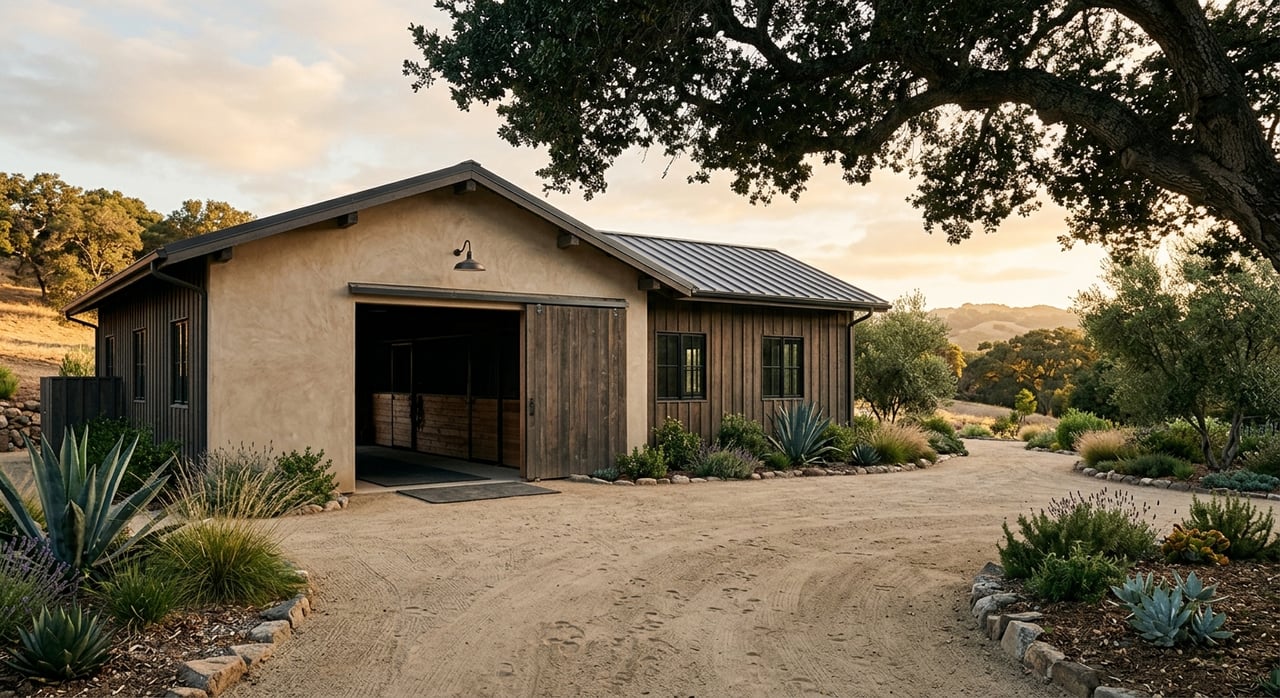
Looking for space, trail access, and room for horses in Southern California can feel like a search for a very specific needle in a very expensive haystack. If you are drawn to land, privacy, and a property that supports an equestrian lifestyle, Agoura Hills stands out for practical reasons, not just scenery. In this guide, you will learn how Agoura’s zoning, trail network, lot configurations, and permit rules can shape your purchase decision so you can buy with more clarity and fewer surprises. Let’s dive in.
Why Agoura appeals to equestrian buyers
Agoura Hills offers a land-use framework that openly recognizes horse-friendly residential living. The city’s RL district is intended for large lots that can support equestrian uses alongside residential development, while the RV district is designed for large-lot development suited to equestrian and agricultural-oriented uses.
That zoning backdrop matters because it is paired with a real outdoor network. Cheeseboro and Palo Comado Canyons in Agoura Hills support horseback riding along with hiking, mountain biking, and other recreation, and nearby areas like Paramount Ranch, Triunfo Creek Park, and Fran Pavley Meadow also support equestrian access or trail connections.
For many buyers, the appeal is simple. Agoura can offer the inland land-and-horse base that is harder to find in tighter coastal areas, with room for a home, horse facilities, and access to open space in one setting.
Start with zoning before style
When you shop for equestrian or ranch property in Agoura, the house is only part of the picture. The more important question is whether the parcel’s zoning, lot size, slope, and overlays support the way you want to use the land.
In Agoura Hills, the two key districts for this conversation are RL and RV. Both can fit equestrian-oriented buyers, but they function differently.
RL zoning basics
The RL district is the more residential of the two. It requires a minimum lot area of 20,000 square feet, or more if shown on the zoning map, and allows one single-family dwelling per lot.
Accessory uses in RL include domestic animals, livestock and poultry for private noncommercial use, private kennels and stables, ADUs, home occupations, and one room rental in the principal structure. RL also includes animal-count limits, including a combined cap of 18 horses and other large animals per acre, with a separate maximum of 8 adult horses or other equines, or cattle, per acre.
RV zoning basics
The RV district is more rural in character. It requires a minimum lot area of one acre, except for permanent open-space lots, and is intended for large-lot development suited to equestrian and agricultural uses, including parcels with steeper terrain.
RV also signals that site design matters. The district addresses parcels with 25 percent or greater slope and emphasizes development that minimizes grading and visual impact.
Why the difference matters
If you are comparing two properties with similar square footage, zoning may be the deciding factor. One parcel may comfortably support your intended horse keeping and accessory structures, while the other may come with more constraints tied to slope, access, or use approvals.
In other words, you are often buying a zoning envelope as much as a home. That is especially true in Agoura, where the value of a property can depend on whether the land works for horses, an ADU, or both.
What property setups are most common
Based on the city code, the most realistic equestrian configurations in Agoura are single-family homes on lots ranging from about 20,000 square feet to one acre or more. These properties may also include accessory buildings, stables, corrals, paddocks, and in some cases an ADU.
That does not mean every large parcel is automatically ready for horse use. It means the code framework supports this type of setup when the zoning, lot dimensions, topography, and site conditions line up.
For buyers, this is where a listing’s marketing language should always be tested against the property’s actual legal and physical setup. A beautiful lot may still need close review to confirm what is currently allowed and what may require further approvals.
Trail access shapes lifestyle value
For many equestrian buyers, land alone is not enough. You also want usable access to the outdoors, whether that means riding from the property, trailering nearby, or simply living close to open-space amenities that support the lifestyle you want.
Agoura Hills benefits from recognized routes and recreation areas tied to equestrian use. The city code defines riding and hiking trails as routes used by equestrians, pedestrians, and cyclists, and the city also recognizes an Equestrian Overlay District.
Nearby recreation adds to that appeal. Cheeseboro and Palo Comado Canyons have a long ranching history and support horseback riding, while Fran Pavley Meadow provides trail access east to Liberty Canyon Open Space and north to Cheeseboro and Palo Comado.
ADUs, barns, and accessory structures
If you want flexibility for guests, extended stays, or long-term rental income, accessory dwelling rules matter. In Agoura Hills, ADUs and JADUs are permitted in the RV, RL, RS, RM, RH, CS-MU, and OS-R zones, as well as in any zone where residential development is allowed.
That can be especially relevant for ranch buyers because an ADU may compete with other site priorities like horse-keeping area, setbacks, parking, or access. In the Equestrian Overlay Zone, the city gives the community development director discretion to make the minimum horse-keeping area optional when a lot is under 10,890 square feet or has an average slope over 25 percent.
The code also preserves a path for an ADU of 800 square feet or less to bypass some horse-keeping-area and setback constraints. That can create useful flexibility on a constrained parcel, though each property still needs case-specific review.
Old Agoura has added flexibility
Old Agoura includes an overlay with added design flexibility. The code allows detached ADUs in the required front yard if they stay within the stated front-yard limit, and accessory buildings may also be placed in the minimum front yard if they stay within size and height caps.
For a ranch buyer, that can be a meaningful advantage. The placement of a barn, tack room, workshop, or detached guest unit may have just as much impact on daily use as the lot’s total square footage.
The due diligence issues that matter most
Equestrian and ranch properties usually require a more detailed review than a standard suburban home. In Agoura, a few issues deserve extra attention early in the process.
Topography and grading
Slope is a major factor in this market. The RV district specifically addresses steep-slope parcels, which means the site may look expansive on paper while offering less straightforward usable area than you expect.
You will want to look closely at how the land lays out in real life. Areas for turnout, structures, drive access, and drainage all become more important when terrain is irregular or steep.
Access and driveway design
The RV district also addresses private streets, flag lots, all-weather driveways, and maintenance agreements. That means access is not just about whether you can reach the home comfortably today, but whether the approach works well for trailers, service vehicles, deliveries, and emergency access over time.
Turnaround space and long-term maintenance costs should be part of your analysis. On a ranch-style property, those practical details can affect day-to-day ease more than buyers first realize.
Fire exposure and defensible space
Agoura Hills notes that a substantial portion of the city lies in a very high fire hazard severity zone. For equestrian and ranch buyers, this adds another layer to the property search.
You should evaluate defensible space, emergency access, and the property’s overall site design with care. Fire-resistant materials and a layout that supports safe access can be especially relevant on larger or more rural parcels.
Can you generate rental income?
Some buyers want a lifestyle property that also supports income. In Agoura, the clearest path is usually long-term residential use rather than short-term hospitality.
In RL, the code allows one room rental in the principal structure, and ADUs are also permitted. Under California law, an ADU may be rented separately from the primary residence, but only for terms longer than 30 days.
JADUs come with a different rule. Agoura Hills requires the property owner to live in either the JADU or the remaining single-family residence, which makes JADUs less suitable for a fully absentee rental strategy.
What about retreats, events, or guest-ranch use?
This is where many buyers need to slow down and verify assumptions. A ranch-style property may feel like a natural fit for events, lodging, or retreat use, but that does not mean those uses are allowed by right.
In the RV district, uses such as guest ranches, campgrounds, picnic areas, trails with overnight camping, and health retreats may be allowed by conditional use permit. That means discretionary review and permit conditions may be part of the path.
Event use is even more permit-sensitive. Agoura Hills has temporary-use rules for certain special events, and its outdoor recreational use standards include requirements tied to lighting, noise, signage, and parking studies.
The practical takeaway is simple: if your purchase depends on weddings, retreats, or ticketed events, confirm the permit path before you write an offer. It is better to underwrite the property conservatively than to assume a future use that may not be approved.
A smart buyer strategy in Agoura
The best equestrian and ranch purchases usually start with a clear list of non-negotiables. Before touring too many homes, define what matters most to you, such as horse keeping, trail access, a guest unit, usable flat land, or room for future improvements.
From there, compare each property through two lenses. First, does the home fit your lifestyle now? Second, does the parcel’s zoning and physical layout support the way you want to use the land over time?
That is where experienced guidance can save you time and protect your leverage. A well-bought property is not just appealing on showing day. It also holds up when you examine access, overlays, slope, permits, and long-term usability.
If you are exploring equestrian or ranch properties in Agoura Hills and want a strategic, lifestyle-focused approach to the search, Tom Dolezel can help you evaluate both the property and the bigger picture with clarity.
FAQs
What zoning should you look for in Agoura Hills for horse property?
- The key zoning districts are RL and RV, and some properties may also be affected by the Equestrian Overlay District.
Can you keep horses on an Agoura Hills property by default?
- Not always. Horse keeping depends on the parcel’s zoning, lot size, and applicable horse-keeping standards.
Can you rent out an ADU on an Agoura ranch property?
- Yes, an ADU may be rented separately from the primary residence, but the rental term must be longer than 30 days.
Can you use an Agoura ranch property for weddings or events?
- Not by default. Event uses may require permits, and the city’s standards can include rules for parking, lighting, signage, and noise.
What should you review first when buying a ranch property in Agoura Hills?
- Start with zoning, lot size, slope, access, overlays, and whether the parcel realistically supports your intended use.